DIMM vs SODIMM
They have different physical sizes and typical usage scenarios:
DIMM: usually used in desktops and servers.SODIMM: usually used in laptops and compact systems.
SODIMM
SO-DIMM (Small Outline DIMM) is physically smaller than standard DIMM, and pin counts differ by generation. For example, DDR3 SO-DIMM is typically 204-pin, and DDR4 SO-DIMM is 260-pin.
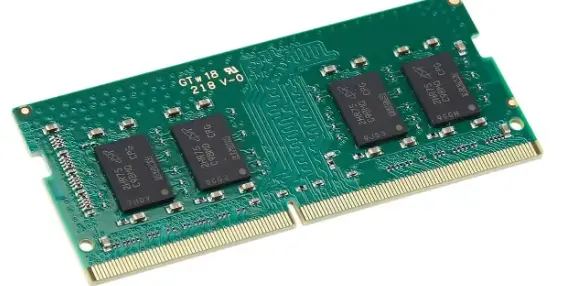
Non-ECC SO-DIMMs commonly use memory-chip counts in multiples of 4 or 8.
Some high-end workstations also use ECC-capable SO-DIMM.
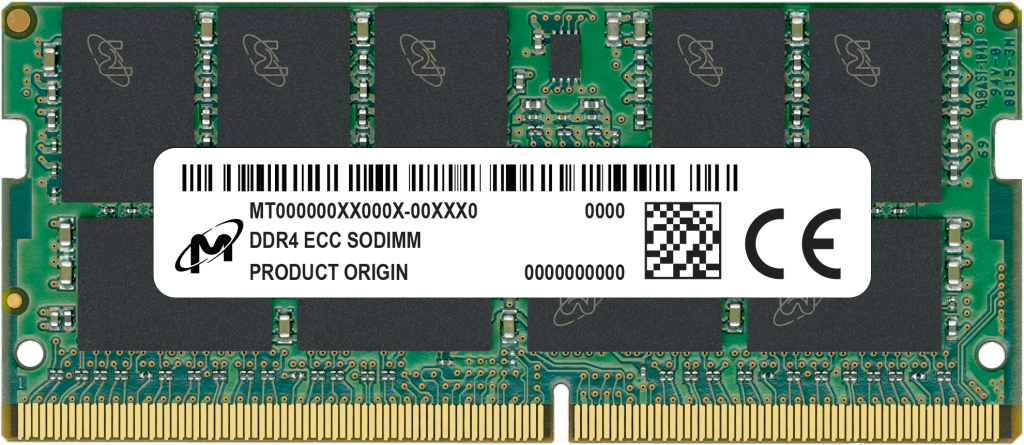
ECC SO-DIMMs commonly have chip counts in multiples of 9.
DIMM
DIMM can be divided into UDIMM, RDIMM, LRDIMM, and NVDIMM.
UDIMM
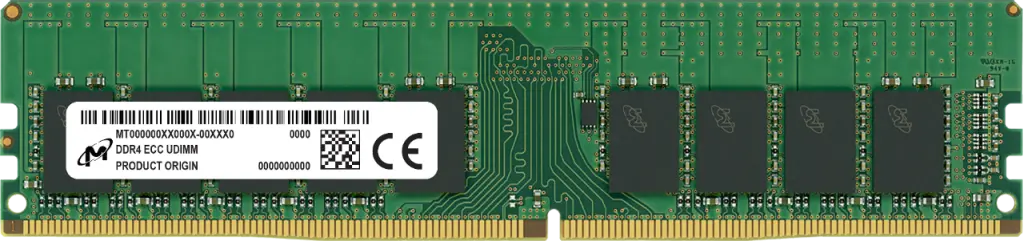
UDIMM means Unbuffered DIMM (no register buffer).
Typical consumer desktop memory is non-ECC UDIMM.
Because it is unbuffered, latency is usually lower and frequency can be higher, but total supported capacity is often lower. Cost is generally lower as well.
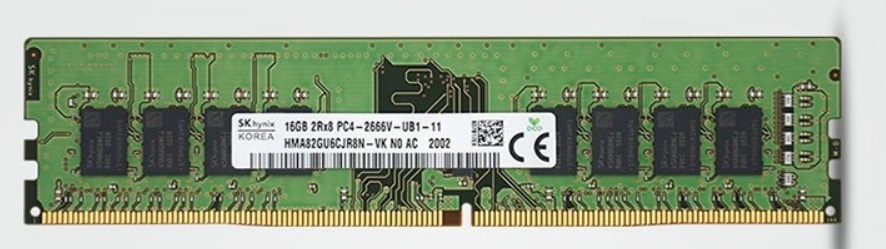
Some high-end desktops, laptops, and servers also use ECC UDIMM.
RDIMM
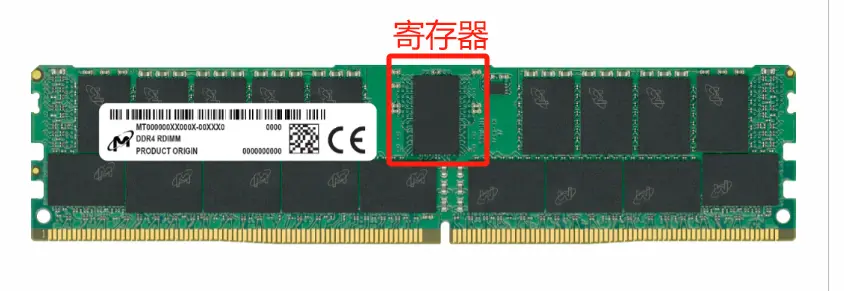
RDIMM means Registered DIMM. It adds a register between the memory controller/CPU and DRAM devices to improve signal integrity and support larger capacities, commonly used in servers.
The trade-off is usually higher latency and potentially lower effective frequency. RDIMMs are commonly ECC.
LRDIMM
LRDIMM means Load-Reduced DIMM. Compared with RDIMM, it further reduces electrical loading on the memory bus by using a memory buffer design, helping improve capacity scalability while preserving performance in high-capacity server configurations.
NVDIMM
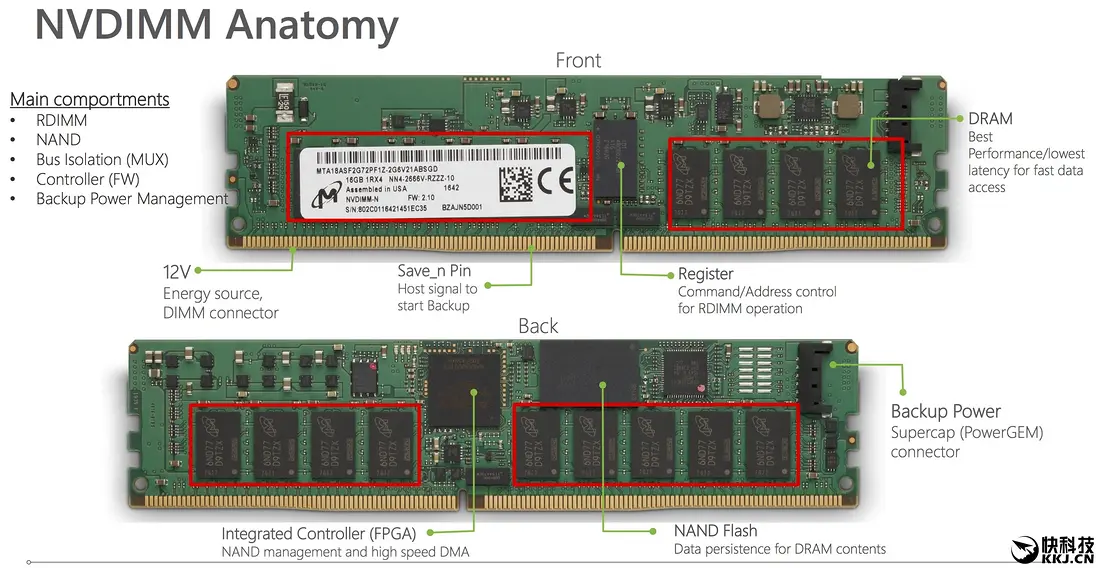
NVDIMM (Non-Volatile DIMM) combines DRAM, NAND, and controller logic. During power loss, backup power enables DRAM data to be copied into NAND so data is retained.
NVDIMM is mainly used in servers and storage systems with strict data-safety requirements.
Example: Micron 32GB DDR4 NVDIMM